Ptosis in Valencia
DR. SONIA PEÑARROCHA
Treatment for droopy eyelids to restore function and a natural-looking appearance
What is ptosis?
Ptosis, commonly known as a drooping eyelid, is a condition in which the upper eyelid sits lower than normal.
When it affects only one eye, it can create a noticeable asymmetry in the eye opening and facial expression, leading to an uneven appearance between both eyes. When it affects both eyes, it can reduce the eye opening and give a more tired look.
Ptosis can develop over time or be present from birth. Its causes can be diverse, which is why it is important to undergo an ophthalmological evaluation to identify the origin of the drooping eyelid and determine the most appropriate treatment for each case.
What are the causes of ptosis?
Ptosis can appear for different reasons. Depending on its origin, several types of ptosis are distinguished.
Below, we explain the main types of ptosis according to their origin:
Congenital ptosis
Aponeurotic ptosis
It is common in adults and usually appears with aging, when the structures that keep the eyelid elevated weaken or change.
Neurogenic ptosis
It occurs when there is an alteration, damage, or interruption along the pathways of the nerves that control eyelid position and function.
Myogenic ptosis
It is related to alterations affecting the levator palpebrae muscle and can hinder its ability to maintain the eyelid in the proper position.
Mechanical ptosis
Symptoms of ptosis
- A feeling of heaviness in the eyelids.
- A tired or less open look.
- Asymmetry in the eye opening, especially when it affects a single eyelid.
- Reduction of the upper field of vision.
- Compensatory lifting of the eyebrows to make seeing easier.
- Tilting the head backward to improve the visual field.
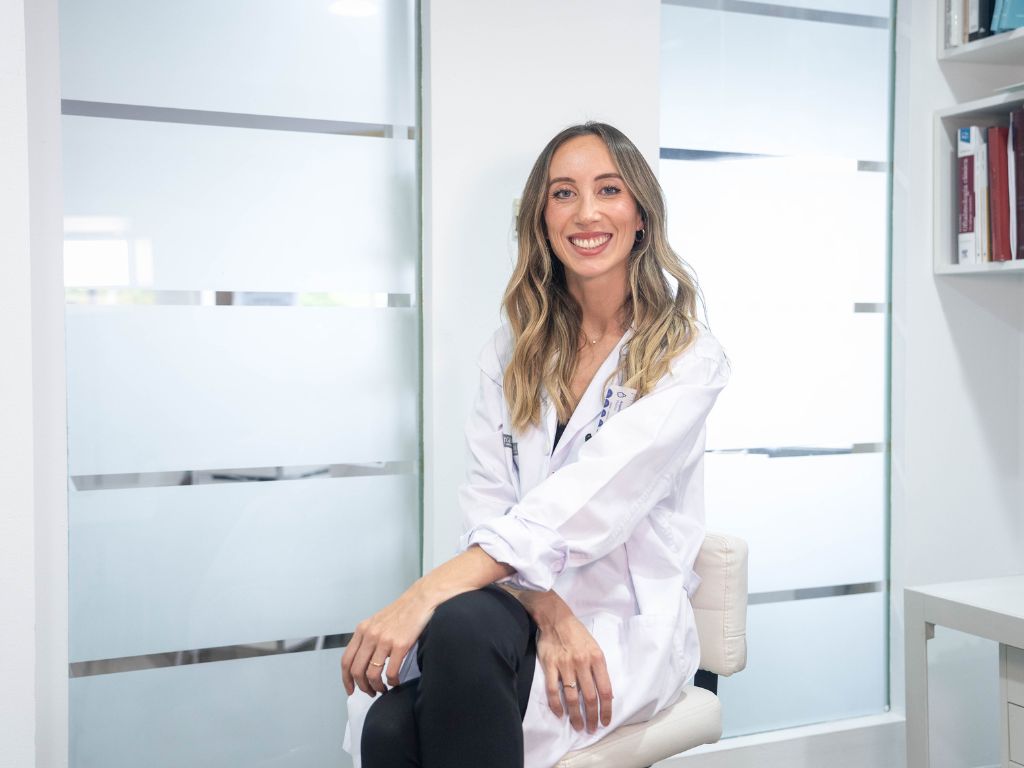
Dr. Sonia Peñarrocha: ophthalmologist specializing in ptosis in Valencia
As an ophthalmologist specializing in oculoplastics, I have specific training in eyelid surgery and perform an individualized assessment for each patient to propose the most appropriate treatment, seeking to improve both eyelid function and the naturalness and harmony of the look.
To provide the highest standard of care, my practice is built on three core principles:
Natural-looking results
Each treatment is carefully designed to enhance your natural features, never to change them. The goal is for you to feel confident, comfortable, and like the very best version of yourself
Personalised care
Every patient is unique. I take the time to listen to your concerns, assess your individual case and explain every step of the process in a way that is tailored to your needs
Extensive training
I have extensive training in oculoplastic surgery in both Spain and the United Kingdom, including a two-year fellowship at the prestigious Moorfields Eye Hospital
What is the ptosis surgery like?
Ptosis surgery requires precise planning and a completely personalized approach, as each patient presents different anatomical and functional characteristics. I perform an individualized assessment taking into account the position and function of the eyelids, as well as ocular health, to design the most appropriate treatment for each case.
1. First consultation and personalized assessment
In the first consultation, we discuss your expectations and I perform a complete examination of your eyes and the periocular area. I assess the position of the eyelids, the degree of ptosis, the function of the levator muscle, and the symmetry between both eyes.
2. Individualized surgery planning
3. Performing the surgery
Ptosis surgery is usually performed under local anesthesia and sedation, in a hospital environment and on an outpatient basis, so you will be able to return home on the same day of the procedure.
4. Postoperative follow-up
Recovery and postoperative care for drooping eyelid surgery
Care after ptosis surgery
- Apply local cold during the first few days to help reduce swelling.
- Maintain proper hygiene of the operated area.
- Avoid intense physical exertion during the first few days.
- Do not rub your eyes or manipulate the incisions during healing.
- Attend all scheduled check-ups to monitor the postoperative progress.
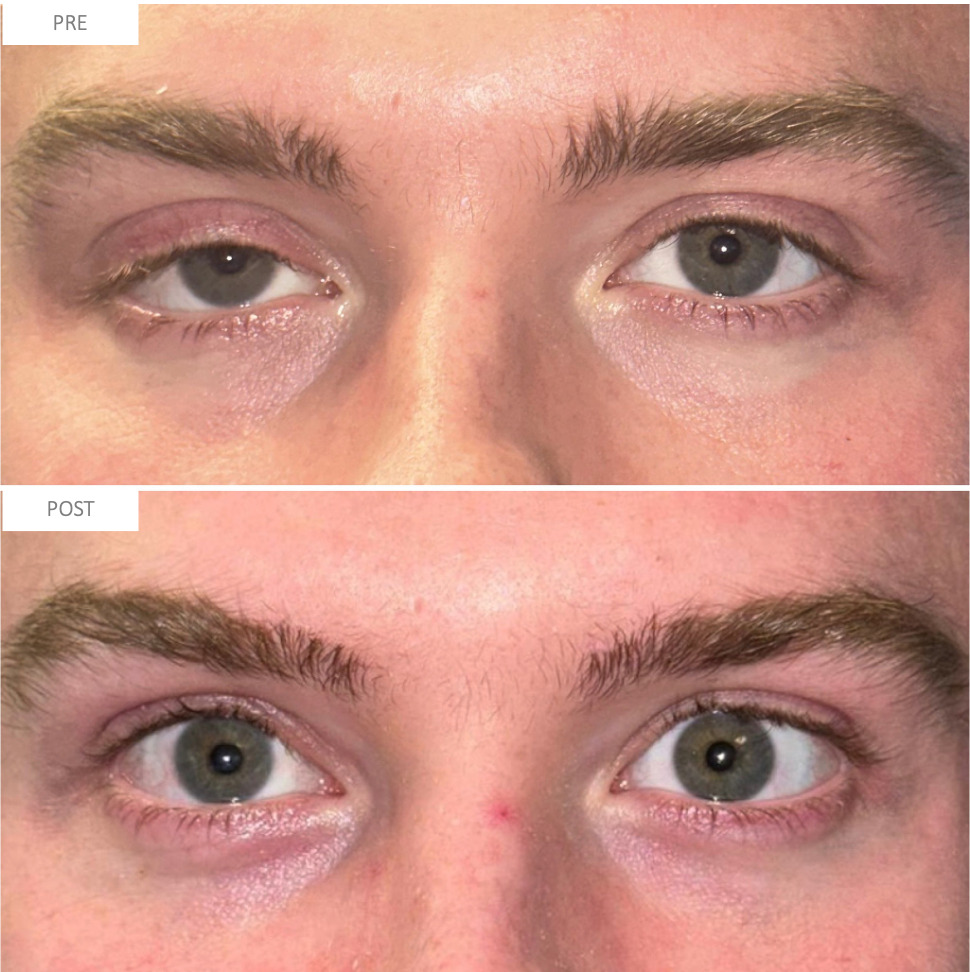
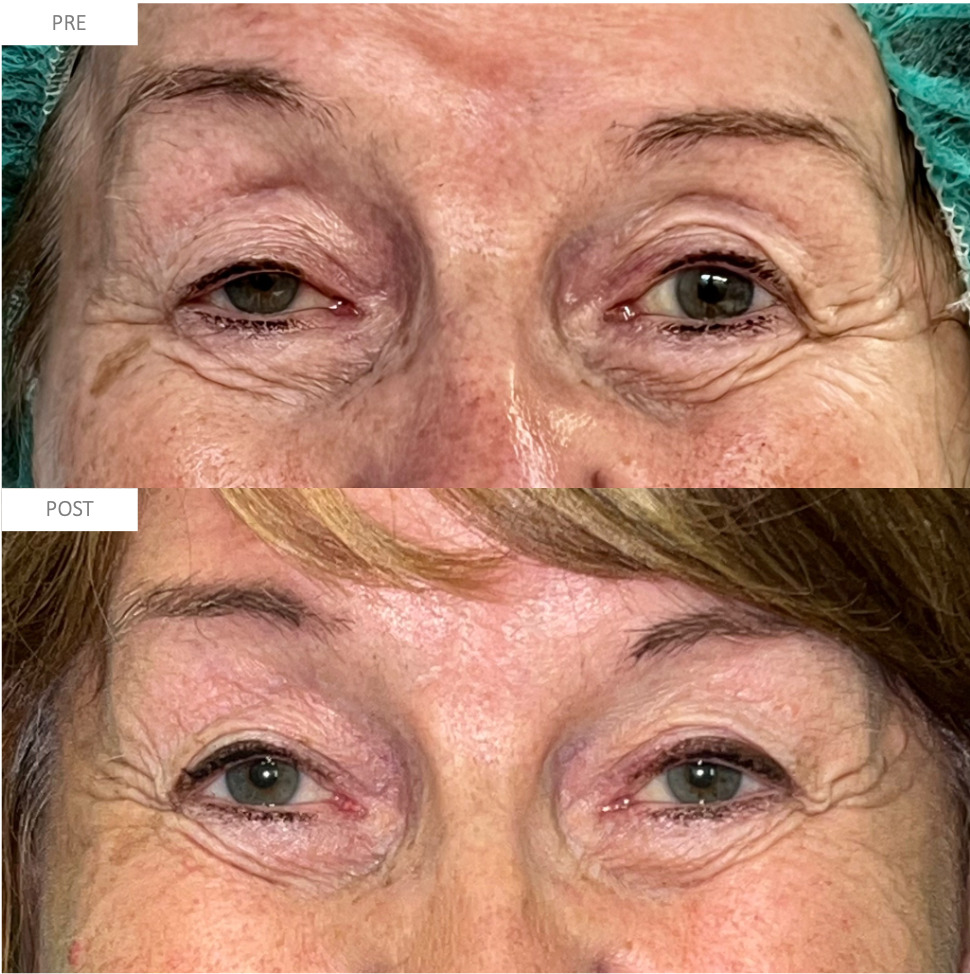
Ptosis: before and after surgery
Do you have any doubts?
I’m here to help you. Feel free to contact me if you have any questions or concerns.
Patient reviews on their ptosis treatment in Valencia
THANK YOU FOR YOUR TRUST
Trustindex verifica que la fuente original de la reseña sea Google. La doctora Peñarrocha es una excelente profesional, trabajadora incansable, meticulosa y perfeccionista. Hace 2 meses me realizó una blefaroplastia superior e inferior, me orientó e informó muy bien, explicándome todo el proceso, tanto antes de la intervención como durante el periodo de recuperación. Estoy muy contenta con el resultado, volvería a hacerlo sin dudarlo, la recomiendo 100%Trustindex verifica que la fuente original de la reseña sea Google. Ponerse en las manos de la Dra Peñarrocha es ponerse en manos de angel. Estoy muy agradecida por la blefafoplastia superior e inferior que me hizo hace un mes y medio.Trustindex verifica que la fuente original de la reseña sea Google. Hola soy una paciente intervenida de blefaroplastia superior e inferior por la Dra Peñarrocha y estoy muy satisfecha con los resultados despues de un mes de la intervencion.He de destacar su gran profesionalidad y el trato tan cercano que he tenido con ella en todo momento.Sin duda la recomiendo y depositaria mi confianza en ella otra vezTrustindex verifica que la fuente original de la reseña sea Google. Hola, soy una paciente de la Dra. Peñarrocha, he sido intervenida de blefaroplastia superior e inferior y estoy encantada con el resultado y el trato que he recibido. Si algo he de destacar de la doctora es el excepcional trato humano desde que iniciamos el proceso en consulta así como su gran profesionalidad antes y después de la intervención. Me volvería a operar con ella sin dudar, estoy muy feliz de haber dado el paso de dejarme en sus manosTrustindex verifica que la fuente original de la reseña sea Google. La Dra.Peñarrocha es una gran profesional , estoy muy satisfecho con su trato tan agradable y con el resultado de su intervención de blefaroplastia y conjuntivomullerectomiaTrustindex verifica que la fuente original de la reseña sea Google. Me realicé una blefaroplastia hace un mes y los resultados son espectaculares. La Dra. Peñarrocha fue en todo momento muy atenta y cercana, explicándome todos los detalles de la intervención y de los cuidados posteriores y aclarando todas mis dudas. La intervención se lleva muy bien y la recuperación es muy rápida. Fue un acierto confiar en ella. La recomiendo 100%.Trustindex verifica que la fuente original de la reseña sea Google. Me realicé una hidratación de labios con la doctora y quedé encantada con el resultado. Unos labios naturales pero jugosos, con aspecto rejuvenecido. Tanto la atención prestada como la calidad de la técnica son dos aspectos a destacar con Sonia. Sin duda, la recomiendo al 100%. De verdad, si tenéis la oportunidad acudid a su consulta.Trustindex verifica que la fuente original de la reseña sea Google. Gran profesional en oftalmología y cirugía oculoplastica. Intervenida de flefaroplastia con un resultado espectacular. Estoy contentísima. Muy recomendable, atenta y empática. Volveré siempre que lo necesiteTrustindex verifica que la fuente original de la reseña sea Google. Excelente experiencia con la Dra. Peñarrocha en mi blefaroplastia Desde el primer momento, su trato fue excepcional. Me transmitió una gran confianza y seguridad, explicándome el procedimiento con mucha claridad y respondiendo a todas mis dudas con paciencia y profesionalismo. La delicadeza con la que realizó la intervención me sorprendió. Su habilidad y precisión son notorias, y el resultado no pudo ser mejor. La cirugía fue indolora y la recuperación mucho más rápida de lo que esperaba. Además, su atención postoperatoria ha sido impecable, siempre disponible para resolver cualquier duda . Lo que más me impactó de la Dra. Peñarrocha fue su enfoque humano. Me sentí cuidada y apoyada en todo momento, algo que es muy importante cuando se realiza una intervención.Gracias a Sonia ,no solo he mejorado mi apariencia, sino que también me siento mucho más segura y feliz con los resultados.
Frequently asked questions about drooping eyelids
How long does ptosis surgery last?
Does drooping eyelid surgery hurt?
What is the difference between ptosis and blepharoplasty?
Does drooping eyelid surgery leave a scar?
Can ptosis reappear after surgery?
Although surgery aims to achieve a long-lasting correction, in some cases ptosis can reappear over time. The possibility of recurrence depends on different factors, such as the cause of the ptosis, the function of the levator muscle, and the progression of each patient. Therefore, it is important to undergo proper follow-up after the procedure.
Can ptosis be corrected without surgery?
How much does ptosis surgery cost in Valencia?
Book an appointment for your ptosis surgery in Valencia
I am Dr. Sonia Peñarrocha, an ophthalmologist specialised in blepharoplasty in Valencia. I provide a personalised assessment to evaluate your eyelids and determine the most suitable surgical technique for your individual needs, always aiming to achieve natural and functional results.
If you would like to restore a younger, more refreshed appearance that is in harmony with your facial features, get in touch using the contact form and take the first step towards a fully personalised treatment.